Same-sex marriage has become a symbol of progress for the LGBT community.
But so far, Taiwan is the only Asian nation to achieve that milestone.
Oliver Lees reports on the small island nation that has been able to orchestrate progress.

Same-sex marriage has become a symbol of progress for the LGBT community.
But so far, Taiwan is the only Asian nation to achieve that milestone.
Oliver Lees reports on the small island nation that has been able to orchestrate progress.
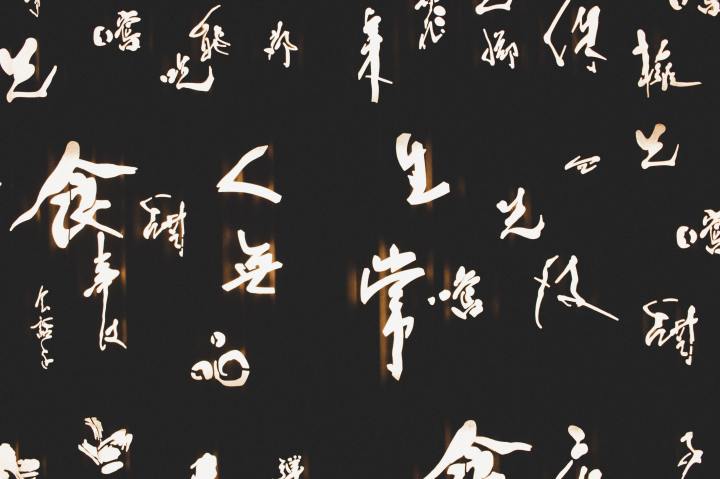
就在中国全国的中小学生过完暑期开学之际,一些蒙古族学生和家长罕见地对当局最新实施的双语教育政策公开抗议,担心这项政策危及蒙古语的传统。
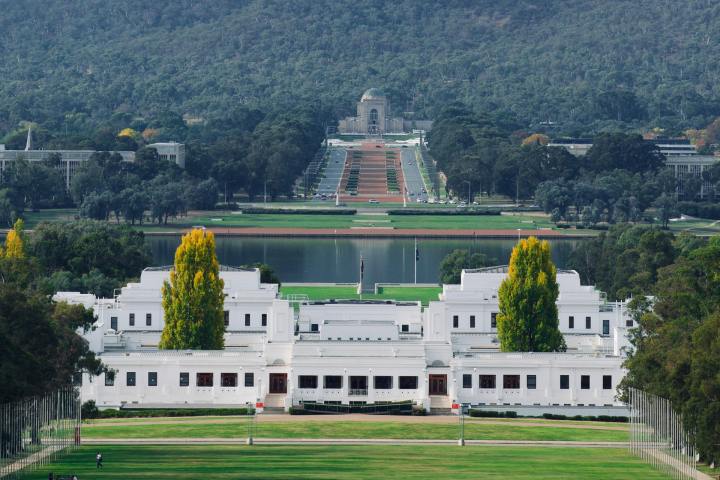
Despite assurances that Australia faces immediate threats in an increasingly hostile Indo-Pacific region, diplomacy spending has dropped to an all-time low. Reporter Oliver Lees spoke with Asia Link Institute diplomacy researcher Melissa Conley-Tyler, and Professor Hugh White from the Australian National University.
For this special project, I was enlisted as a story collector working within Nillumbik Council for Humankind Enterprises. The objective of this progress was to create connection during coronavirus lockdown, by connecting older members of the community with younger members of the community.
Over the course of six weeks I interviewed several members of my community, listened to their stories and sage life lessons

COVID-19 is clearly impacting countries to varying degrees. Differences in preparedness, population density and in the quality of national healthcare systems, as well as in the nature of government responses to the pandemic, have led to marked differences in outcomes.

Consider for a moment, your citizenship. For most people our nationality, and therefore our citizenship, is something we were born with, something we inherited and are in no danger of ever losing. Yet, around the world today, there is an estimated 10 million stateless people.
That’s 10 million people without any access to public services or legal rights: no employment, medical treatment, education or even marriage. Today, our modern state system is failing these people, who through preventable circumstances have fallen between the cracks of society into an ambiguous and marginalised existence.
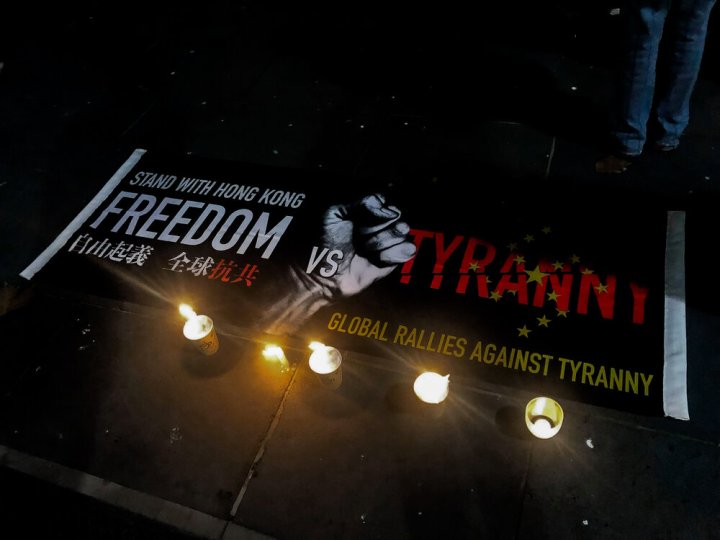
The Australia-China relationship is more fraught than ever, with tensions emerging over everything from international students to barley prices.
This week on City Journal Weekly, Marco Holden Jeffery and Oliver Lees present a special China Focus program, looking at the key issues between Australia and China on the international stage in the preceding weeks.
First up, we speak to Frank Ruanjie, the managing director of the Tiananmen Times and an organiser of the recent memorial vigil in Melbourne commemorating those who died in the Tiananmen Square incident. The 31st anniversary vigil became a convergence point for all sorts of discontent with the Chinese Communist Party.
Later in the program we speak to Zach Eggleston, the head of communications for the Australia China Business Council Victoria, about the controversy surrounding the Belt and Road Initiative and what Victoria’s involvement in the $1.5 trillion international infrastructure project actually means for Victorians.
You can find the program in full embedded above.
Read More
Since becoming a reporter for The New York Times in 2016, Vicky Xu has lost faith in the ability of traditional journalism to report effectively on human rights issues.
As a journalist, Ms Xu covered a range of human rights allegations, including the detention of Uyghur Muslims in the Chinese province of Xinjiang, but said she decided to move into a research position at the Australia Strategic Policy Institute because “traditional journalism is limited in so many ways”.

In the wake of the Black Saturday bushfires, which tore through north-eastern Victoria in the early months of 2009, The Phoenix emerged, a newspaper that sought to cover the region’s recovery and provide advertising at no cost to local business.
The Phoenix founder and editor, Ash Long, said it was “designed purely to help local people” and provided it for free.

With his days full of legal consulting, refugee advocacy and now running for the vacant Greens Party Senate nomination, it’s no surprise that Julian Burnside looked flustered as he welcomed me into the warmth of his home on a chilly winter’s evening.
Sitting in his library on opposite ends of his polished mahogany desk, Burnside, an Order of Australia recipient now aged 70, said the reason he decided to move into politics at this stage of his life was purely pragmatic.
Read More Oliver Lees 李奥力